Finasteride and Hair Transplants: What to Discuss Before Surgery
A transplant moves hair; it does not stop the hair you still have from falling out. That gap is why surgeons bring medication into the conversation — and why the decision is yours to make with a prescriber.
This is not a prescription and it is not medical advice — it is a list of questions worth arriving at your appointment with. But it is a conversation that comes up in almost every consultation, because it sits right at the centre of what a transplant can and cannot do.
A transplanted follicle, taken from the resistant donor zone, will usually keep growing where it is placed. The hair you were born with in the thinning area is a different story: if it is succumbing to androgenetic alopecia, it will keep going whether or not you have surgery. A transplant fills the hole; it does not turn off the process that made it.
What finasteride is for
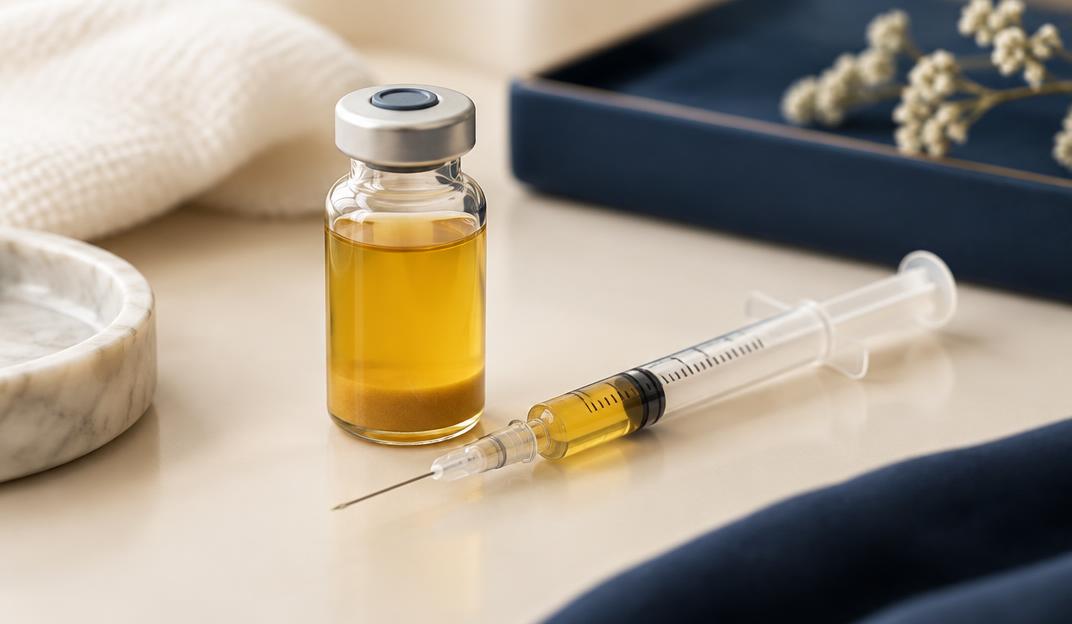
Finasteride is a prescription medication that reduces conversion of testosterone to dihydrotestosterone (DHT), the hormone that shrinks susceptible follicles in androgenetic alopecia. In practice, that means its role is preservation: slowing or halting further loss, and in some patients thickening hair that is already miniaturising.
For a transplant patient, that preservation has a direct surgical value — it protects the hair sitting behind and between the grafts, so the result you paid for does not slowly become an island.
The questions worth asking a prescriber
Because finasteride is a systemic medication, the decision belongs with a doctor who knows your history, not with a clinic quoting you a price. Useful questions:
- Is my diagnosis actually androgenetic alopecia, or something else that would not respond?
- What are the realistic benefits and the reported side-effect profile, including sexual and mood-related effects?
- How long before any effect is visible, and how would we measure whether it is working?
- What happens if I stop — and what is the plan if I do not tolerate it?
- Does it interact with anything else I take?
Timing around surgery
Some surgeons prefer patients to be on a stabilising medication for a period before operating, so the plan is drawn against a settled pattern rather than an actively falling one. Others operate first and discuss medication after. There is also the practical question of whether to pause anything around the procedure itself — a decision that belongs to the prescribing doctor and the operating surgeon together, not to a forum thread.
What matters is that the two conversations happen. If your surgeon and your prescriber are not aware of each other's plans, the plan itself is incomplete.
The alternatives people ask about
Minoxidil works by a different mechanism and is topical or oral; dutasteride is a stronger DHT reducer used in some countries and discussed off-label; low-level laser devices and microneedling have modest evidence at best; PRP has a supportive role and is included as a post-operative session in our package. None of these is a substitute for a diagnosis, and several are not appropriate for everyone.
The honest summary: medication is the lever that protects the hair you still have, surgery is the lever that fills the ground you have already lost, and the two are decided separately, with a doctor.
At Bonita Hair Clinic in Cape Town, we will happily tell you if your pattern is better served by a medical route first — and if it is not, the all-inclusive R35,000 package covers the procedure, medication, the aftercare kit, a PRP session and yearly follow-up, with no hidden extras.
Talk to us about your hair
Every head is different. Book a free consultation and get an honest assessment of your donor area, your options and a realistic plan — with no obligation.