Scalp Micropigmentation: The Complement, Not the Competitor
SMP is often sold as an alternative to a transplant. More often it is the thing that makes a good result look better — or the honest answer when a donor area cannot fund surgery.
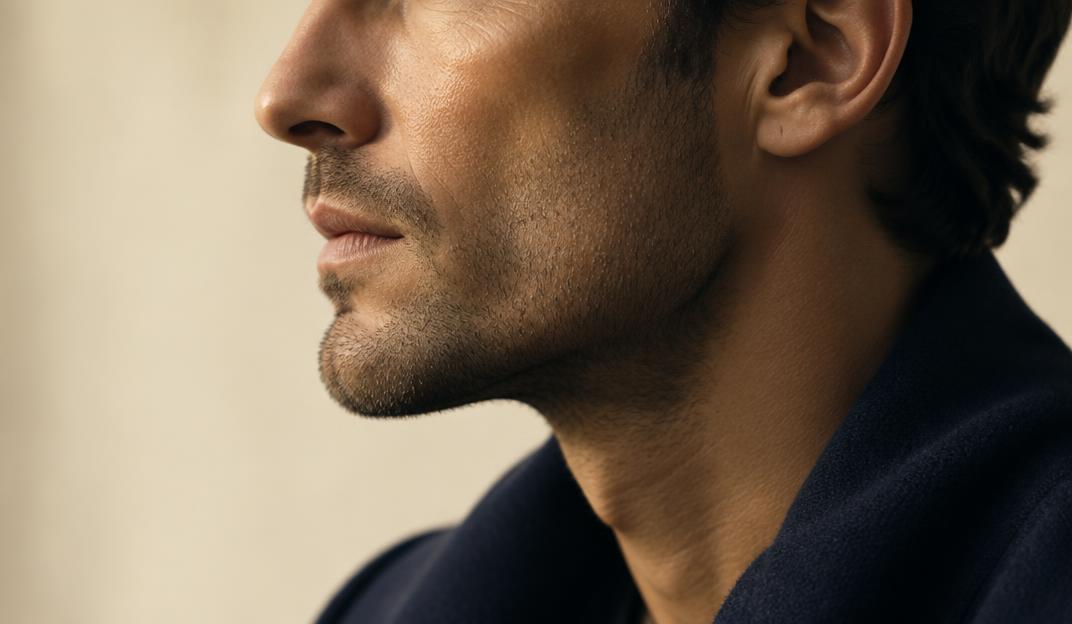
Scalp micropigmentation (SMP) deposits pigment into the upper dermis of the scalp in a pattern of tiny dots, imitating the look of hair that has been shaved very short. Done well, it reads as a stubble shave; done badly, it reads as a grey smear, which is why the practitioner matters far more than the machine.
It is not a transplant, and it never pretends to be. The distinction sounds obvious, but it is blurred constantly in marketing — so here is the plain version of what SMP is genuinely good at.
Where SMP earns its place
- Donor-limited patients: someone whose donor area cannot fund meaningful coverage can still get a convincing shaven-head look, and a frame around the face.
- Scar camouflage: a strip scar from an older FUT procedure, or a patch of sparse harvesting, can be tinted so it stops catching the light.
- Density support: a transplant that gives 60% of the density you want looks far fuller at a #1 guard when the gaps between grafts are shaded.
- Men who simply prefer the shaven look: no surgery, no downtime, and no need for a donor area at all.
What SMP cannot do
It adds no hair. There is no follicle, no growth, no volume, and nothing that will ever need cutting. It also cannot give you a hairline you can wear long — the effect lives entirely in the shaved presentation, and grows out of it the moment your hair gets longer than a few millimetres.
Like any tattoo it fades, and sun exposure accelerates that. Expect periodic top-ups. Pigment can also shift slightly in tone over the years, which is one more reason to see healed photographs rather than day-of pictures.
Combining the two — and in which order
When both are on the table, the usual sequence is transplant first, SMP later. The reason is simple: you cannot know how much shading a scalp needs until you know how much hair actually arrives, and pigment laid down first would sit under a hairline that has not been designed yet.
Most surgeons therefore wait until the transplanted hair is established — commonly around a year — before introducing pigment, and they keep the SMP session out of freshly operated, still-sensitive skin.
How to decide which conversation to have first
If the question is "can I get real hair back?", the answer comes from a donor-area assessment — a transplant surgeon should measure it and tell you honestly what it can support. If the answer is "not enough", SMP becomes a serious option rather than a consolation prize.
If the question is "how do I make a result I already have look fuller?", SMP is usually the cheaper, faster lever. At Bonita Hair Clinic in Cape Town, the first step in either case is the same: a free assessment of your donor area and your goals, so the recommendation starts from what your scalp can actually do. Our all-inclusive R35,000 transplant package covers the procedure, medication, the aftercare kit, a post-operative PRP session and yearly follow-up.
Talk to us about your hair
Every head is different. Book a free consultation and get an honest assessment of your donor area, your options and a realistic plan — with no obligation.