Hair Loss in Women: Causes and Treatment Options
Female hair loss usually shows up as diffuse thinning rather than a receding hairline — and it has more possible causes. Here is how diagnosis and treatment differ.
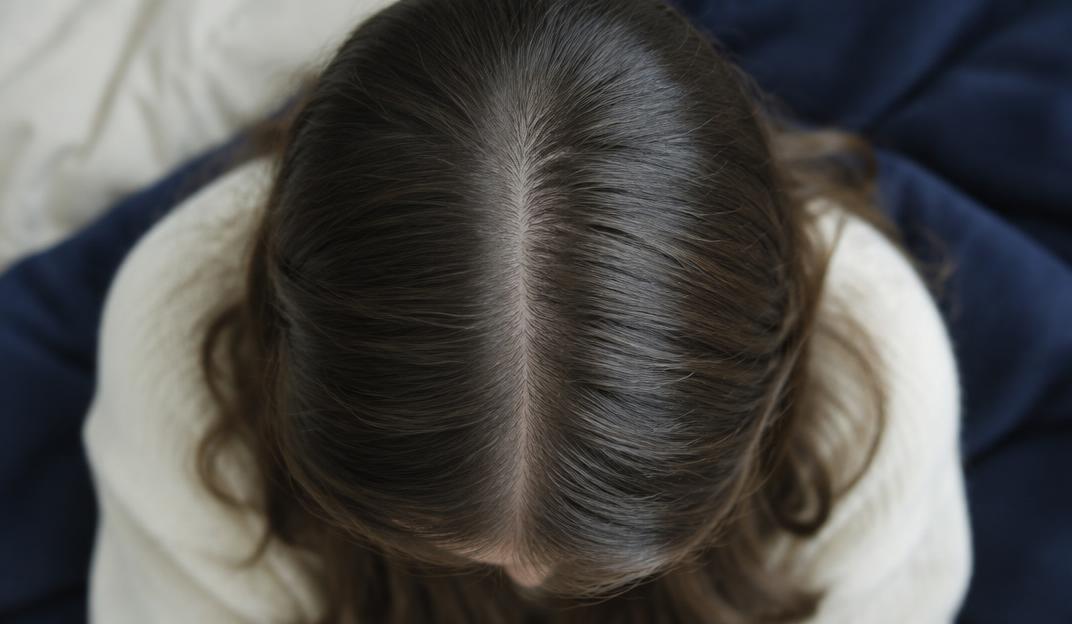
Hair loss affects roughly one in three women at some stage, yet the subject is surrounded by more silence — and more bad advice — than male hair loss. Part of the reason is that female loss presents differently: rather than a receding hairline, women typically experience diffuse thinning across the crown and parting line, while the hairline itself often stays intact.
Common causes
Because diffuse thinning has several possible origins, diagnosis comes first — treatment without diagnosis risks treating the wrong problem:
- Female pattern hair loss — the most common, genetic, progressive thinning.
- Iron deficiency and thyroid imbalances — common, treatable, and easily missed.
- Telogen effluvium — temporary shedding after illness, stress or childbirth.
- Traction loss — prolonged tension from tight hairstyles.
Treatment paths
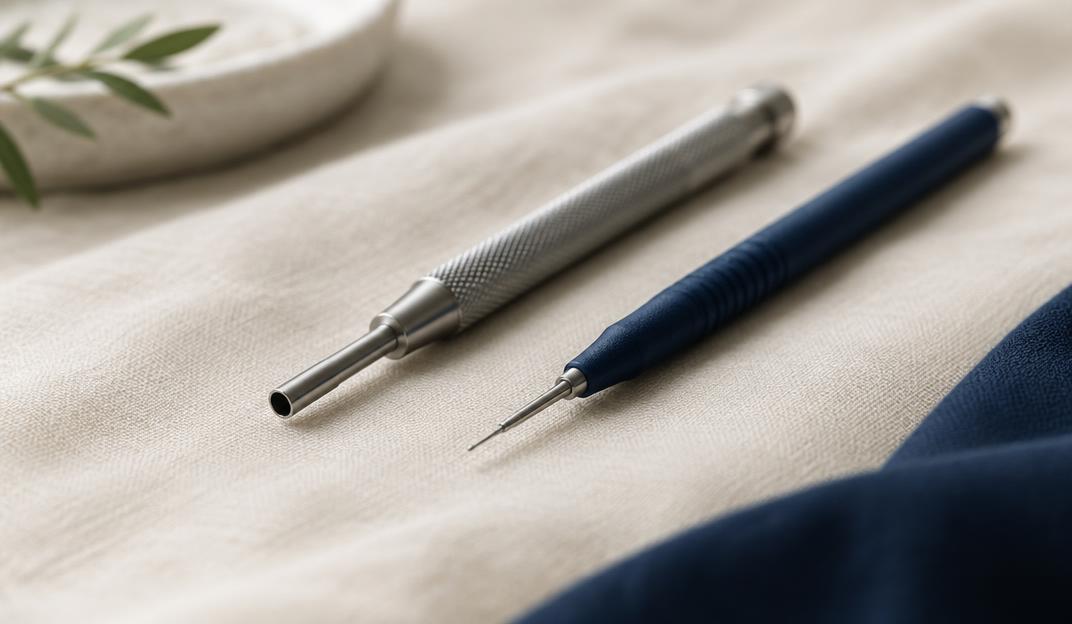
For progressive thinning, medical therapy to stabilise loss usually comes first; a transplant adds density where thinning has advanced. Women are often excellent transplant candidates for a counterintuitive reason: because the hairline is intact, the work can frequently be done without shaving the whole head — grafts are placed between existing hairs using DHI-style implantation.
The result is that recovery is socially easier: no dramatic visual change, just a gradual return of density over the following months.
When to seek help
If you notice more shedding than usual, a widening part, or thinning that has changed over months rather than days, get a proper evaluation. The earlier a cause is identified, the more hair there is to save — and the simpler the eventual treatment, whatever form it takes.
Talk to us about your hair
Every head is different. Book a free consultation and get an honest assessment of your donor area, your options and a realistic plan — with no obligation.