Hair Transplant Statistics — and What They Actually Tell You
Success rates, graft survival percentages, patient numbers — the statistics clinics quote sound precise. Here is how to read them without being misled.
"95% success rate." "98% graft survival." "Thousands of satisfied patients." Statistics like these appear on nearly every clinic website — and nearly none of them mean what they appear to mean. Understanding why will make you a much harder patient to mislead.
The problem with survival percentages
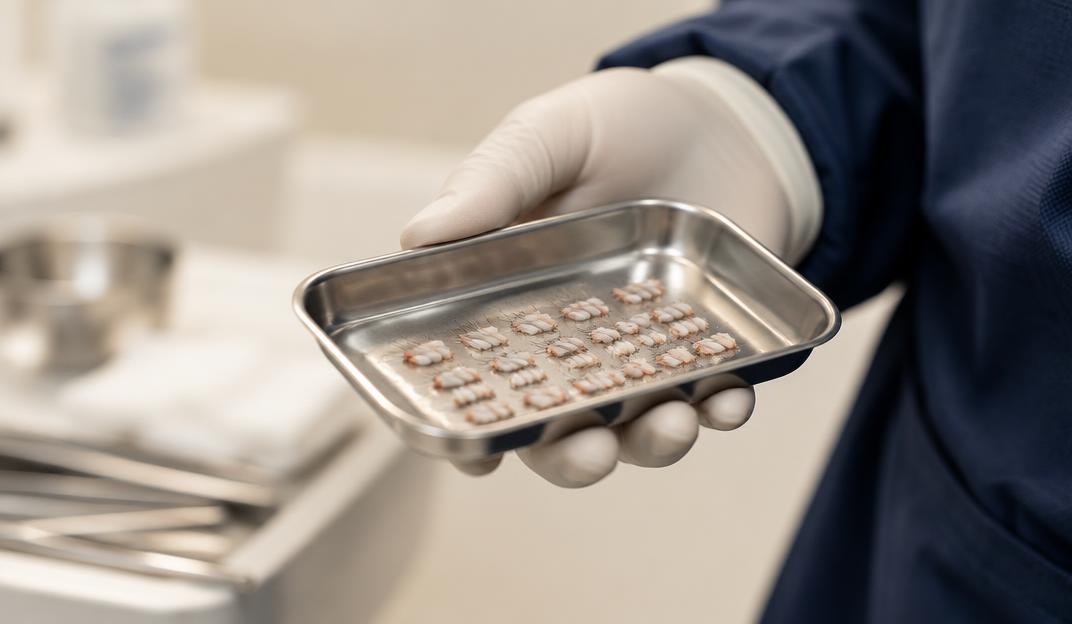
Graft survival is real — but it is almost never measured. Counting how many of 3,000 transplanted follicles are growing a year later requires painstaking photographic analysis that few clinics perform and fewer publish. A quoted survival figure is usually an estimate borrowed from published studies of ideal conditions, not an audit of that clinic's own results.
What the numbers can tell you
Statistics are not useless — they just need the right questions attached:
- How was the figure measured — patient surveys, photo review, or an estimate?
- Over what period — six months of happy patients, or five years of follow-up?
- Does the number cover all patients, or a selected group?
- Who performed the procedures included in the statistic?
Better evidence than numbers
Unedited before-and-after photographs in consistent lighting, patients you can speak with directly, and a consultation where the surgeon tells you what will NOT work for you — these reveal more than any percentage. A clinic that shows you its planning process is showing you something a statistic never can: how your result will actually be made.
Talk to us about your hair
Every head is different. Book a free consultation and get an honest assessment of your donor area, your options and a realistic plan — with no obligation.